
AL AHAD DENTAL CARE | PARAGON CITY, LAHORE
Root Canal Treatment in Lahore
Save Your Natural Tooth with Professional Root Canal Treatment
Avoid painful extractions and preserve your natural smile. Our premium endodontic procedures target deep inner-tooth decay, safely removing infection while sealing and protecting the tooth structure. Experience exceptionally precise, virtually pain-free clinical care powered by modern diagnostic technology at our state-of-the-art clinic.
UNDERSTANDING ENDODONTICS
What Is Root Canal Treatment?
Root canal treatment (also known as endodontic therapy) is a highly effective dental procedure designed to save a tooth that has been severely compromised by decay, infection, or structural trauma. Deep inside every tooth, beneath the protective enamel and supportive dentin layers, lies a soft tissue called the dental pulp.
This pulp contains a complex network of nerves, blood vessels, and connective tissue. When bacteria breach this sterile inner chamber—due to deep cavities, microscopic cracks, or physical injury—the pulp becomes inflamed and infected. If left untreated, the infection quickly spreads to the surrounding bone, causing severe pain, painful abscesses, and ultimately, tooth loss.
The objective of root canal treatment is to treat disease inside the tooth and preserve the natural tooth whenever clinically appropriate.
 Cross-sectional diagram: Enamel, Dentin, Pulp Chamber, and Root Canals.
Signs You May Need Root Canal Treatment
Recognizing the early warning signs of an infected tooth canal is crucial. If you experience any of the following clinical symptoms, a professional dental assessment is highly recommended to save the natural tooth.
Persistent Toothache
Constant pain deep within the bone or tooth is a primary indicator of pulp damage. It may fluctuate in intensity but generally persists over long periods, especially during rest.
Hot & Cold Sensitivity
A sharp or dull ache that lingers for several minutes after consuming hot coffee or cold water. This indicates the inner nerve endings are heavily compromised.
Pain While Chewing
Experiencing acute discomfort or severe pressure when biting down or eating. This points to localized inflammation around the root tip and surrounding bone structure.
Swelling
Visible swelling, tenderness, or a soft, puffy feeling in the gums near the painful tooth. It may present as a persistent dull ache that radiates to the jaw.
Abscess
A localized pimple-like bump on the gums that may discharge pus. This indicates an active bacterial infection draining from the root canal apex.
Discolouration
A noticeable dark, greyish-black shade on the affected tooth. This physical change represents internal necrosis or decaying nerve tissue within the pulp.
Clinical Disclaimer: Some internal tooth infections present with absolutely no physical symptoms or pain. Regular digital dental X-rays during routine checkups are the safest way to identify quiet pulp damage before a major infection develops.
Why Does a Tooth Need Root Canal Treatment?
A root canal becomes necessary when the soft inner tissue of the tooth (the pulp) gets severely inflamed or infected. Left untreated, the infection can destroy the bone holding the tooth in place.
Deep Decay
Untreated cavities allow oral bacteria to slowly penetrate the enamel and dentin layers, eventually breaching and contaminating the internal pulp chamber.
Physical Trauma
A sudden blow or impact to the mouth can sever or severely disrupt the vital nerve flow at the tooth's base, leading to necrosis even if there are no outward chips.
Cracked Teeth
Deep cracks extend through the tough enamel outer shell directly into the tissue below, serving as micro-passageways for damaging bacteria and oral fluids.
Repeated Procedures
Multiple dental treatments on the exact same tooth weaken the overall tooth structure and stress the delicate internal pulp, which triggers chronic inflammation.

Visualizing Pulp Infection Progression
As enamel decays, infection enters the dentin and invades the pulp chamber. Once bacteria reach the root apex, it forms a painful abscess inside the jaw bone, requiring clinical treatment to save the biological tooth.
DIAGNOSIS-FIRST PHILOSOPHY
Do You Actually Need a Root Canal?
At Al Ahad Dental Care, we never rush into major procedures. We utilize rigorous, clinical testing protocols to determine the exact health of your dental pulp before making any treatment recommendations.
1. Clinical Exam
We examine the tooth surface, check for localized gum swelling, physical structural damage, and perform gentle percussion testing to assess surrounding tissue sensitivity.
2. Sensibility Testing
By applying localized thermal stimuli, we determine if the pulp responses are normal, heightened (reversible pulpitis), lingering (irreversible), or non-responsive (dead nerve).
3. 3D Digital X-Rays
Advanced digital imaging reveals hidden decay between teeth, maps root canals anatomically, and displays bone loss or dark shadows (radiolucency) at the base of the root.
When Might You NOT Need a Root Canal?
Understanding the clinical boundary between simple preservation and complete root canal therapy.
CONSERVATIVE ALTERNATIVES
1. Vital Pulp Treatments
If pain only triggers on cold fluids and fades instantly (reversible pulpitis), the nerve is healthy and healing. Rather than performing a root canal, we utilize highly localized alternatives:
- Therapeutic Pulp Capping: Biomaterials placed directly on near-exposures to prompt dentin regeneration.
- Deep Composite Fillings: Complete removal of active decay sealed thoroughly with medical-grade resin.
- Inlays or Onlays: Custom porcelain restorations supporting compromised tooth walls without nerve disturbance.
WHEN ABSOLUTELY ESSENTIAL
2. True Therapy Indicators
If root canal diagnostics indicate irreversible damage or tissue death, avoiding treatment risks systemic spread of infection. Clinical signals calling for therapy include:
- Spontaneous Lingering Pain: Intense discomfort lasting minutes to hours after a cold/hot stimulus finishes.
- Internal Pulpal Necrosis: When diagnostic testing reveals the nerve is non-responsive due to tissue decay.
- Apical Abscess: X-ray confirmed darkness at the tooth tip indicating a bone-eating bacterial infection.
Get an Unbiased Clinical Assessment Today
Don't guess when it comes to your dental health. Schedule a state-of-the-art diagnostic testing sequence with our specialist team.
Book Advanced AssessmentHow Is Root Canal Treatment Performed?
A step-by-step clinical overview of our precise, patient-first endodontic procedure designed to save your natural tooth with absolute comfort.

STEP 01
Diagnosis & Imaging
We begin with high-definition digital X-rays and comprehensive physical diagnostics to map your intricate canal anatomy, assess the depth of infection, and lay out an exact clinical pathway.

STEP 02
Anaesthesia
Our modern localized anaesthetic techniques gently numb the targeted area. This step ensures that the entire procedure is completely pain-free, relaxed, and therapeutic.

STEP 03
Rubber Dam
We place a thin, protective dental sheet called a rubber dam over the area. This isolates the target tooth, keeping it clean, dry, and completely sterile of biological fluids and saliva.

STEP 04
Access
A tiny, precise access opening is gently prepared in the biting surface of the tooth. This microscopic entry allows our clinical team to reach the deeper chamber where the diseased pulp lives.

STEP 05
Cleaning
Using micro-flexible NiTi rotary instruments, we clear out diseased nerves and pulp from inside the root canals, carefully smoothing and shaping the channels.

STEP 06
Irrigation
We flush the canals with therapeutic dental rinses to wash away microscopic debris and thoroughly disinfect hard-to-reach micro-crevices within the complex canal network.

STEP 07
Medication
An active antimicrobial medication is placed directly into the freshly shaped canals to quiet down any remaining microscopic inflammation and secure absolute disinfection.

STEP 08
Obturation
Once clean and dry, the canals are filled with gutta-percha—a bio-compatible natural material—and completely sealed with high-grade clinical sealers to protect against future microbial ingress.

STEP 09
Restoration
The tooth structure is permanently rebuilt. Using a bespoke tooth-colored composite fill or a premium custom dental crown, we fully restore its structural strength, bite force, and natural smile cosmetics.
PATIENT COMFORT FIRST
Does Root Canal Treatment Hurt?
The short answer is no. With modern profound local anesthesia and advanced clinical techniques, the treatment itself is completely painless. You will feel no more sensation than having a standard composite filling placed.
It is clinically honest to expect some post-treatment tenderness. As the infection clears and the surrounding bone and ligament tissue heal, the area might feel slightly bruised or sensitive to hard biting for 3-5 days. This natural healing response is safely and easily controlled with regular over-the-counter anti-inflammatories.
- Advanced computerized local anesthetic delivery
- Anxious patients catered for with gentle pacing
- Clear post-treatment aftercare plan and advice
TREATMENT TIMELINE
Single-Visit vs Multiple-Visit Root Canal Treatment
We believe in medical transparency. Both methods are safe and successful, but their application depends on your unique biological situation.
Single-Visit Procedure
Completed in a single, comprehensive session (approx. 60–90 minutes). The root canals are disinfected and completely sealed during the same appointment.
CLINICALLY SUITABLE FOR:
- Vital pulps (where nerve tissue is inflamed but not necrotic)
- Straightforward anatomy with highly accessible canals
- No signs of severe apical infection or bone loss
Multiple-Visit Procedure
Conducted over two appointments (usually 10–14 days apart). In visit one, we clean the space and pack it with a biological calcium medication to kill stubborn bacteria. In visit two, we complete the permanent seal.
CLINICALLY SUITABLE FOR:
- Necrotic pulp tissue with high load of bacterial infection
- Active swelling or presence of an apical abscess needing drainage
- Highly complex root canal curvatures and accessory anatomy
What Happens After Root Canal Treatment?
The long-term success of your root canal therapy depends heavily on immediate post-treatment care. Follow these clinical guidelines to protect your treated tooth as it heals before receiving its permanent restoration.
Eating After Treatment
Avoid chewing or biting down on the treated tooth until your final dental crown is fully placed. Focus on consuming soft food textures (like yogurts, pasta, and soups) and chew strictly on the opposite side of your mouth to safeguard the temporary seal.
Oral Hygiene Routine
Keep the treatment area clean by continuing to brush and floss regularly. However, floss with caution: pull the dental floss carefully sideways out from between the teeth instead of snapping it upwards, which could dislodge the delicate temporary restoration.
Why Might You Need a Dental Crown After Root Canal Treatment?
A root canal eliminates painful infections but deprives the tooth of internal blood flow. Without this vital structural hydration, the residual natural tooth enamel becomes increasingly brittle, facing high susceptibility to fracture under daily chewing forces.
Preventing Vertical Tooth Fractures
Placing a protective custom crown completely encases the treated structure above the gum line. This shields the tooth by evenly redistributing severe forces, ensuring your tooth doesn't crack, split, or require extraction down the line.
Premium Material Options
We craft premium restorations using top-tier clinical materials. Choose Zirconia for ultimate chip-resistant durability and natural monolithic aesthetics, or PFM (Porcelain-Fused-to-Metal) for classical strength backed by structural metal frameworks.
Consult on Restoration Materials
Anatomical cross-section highlighting a fully sealed root canal system safely covered by a durable custom crown, restoring full chewing capabilities and natural tooth structural integrity.
Root Canal Treatment vs Tooth Extraction
Understanding your treatment options is key to lifelong oral health. While extracting a problematic tooth may seem simpler, biological preservation with root canal therapy is almost always the preferred clinical standard.
CRITERIA
Preservation Status
Chewing Function
Additional Treatment
Primary Suitability
Root Canal (Recommended)
Complete preservation of your natural tooth and root structure.
100% normal chewing force, natural bite, and pressure feedback.
Minimal. Requires only a standard dental crown to seal and reinforce.
Saves teeth with deep decay, inflamed pulp, or abscess, but stable bone.
Tooth Extraction
Permanent tooth loss. Jawbone underneath will degrade over time.
Reduced chewing efficiency. Opposing teeth may shift into gap.
High. Requires bone grafting and expensive implants or bridges.
Only for non-restorable teeth, vertical root fractures, or severe bone loss.
Anatomy & Recovery Pathways
Compare the structural differences between root preservation, tooth loss, and prosthetic replacement.
1. Treated Tooth
Natural tooth root is sterilized, filled, and sealed. Bone mass is perfectly maintained and chewing function continues biologically with no nearby shifting.
2. Lost / Missing Tooth
Leaving the socket empty leads to bone resorption. The jawbone shrinks locally by up to 25% in the first year, making surrounding teeth tilt, tip, and loosen.
3. Dental Implant
Requires complete extraction, a titanium post drilled surgically into the bone, weeks of integration, and a custom crown. Functional but highly invasive.
What Happens If You Delay Root Canal Treatment?
An untreated root canal infection doesn't heal on its own. Bacteria will continuously multiply, invading deeper structures in a painful, progressive chain of clinical complications.
01
Pulpitis Inflammation
Enamel decays completely. Bacteria penetrate deep dentin tubules, triggering active swelling inside the sealed nerve cavity, resulting in sharp pain to cold and heat.
02
Necrosis & Death
The trapped pulp tissues suffocate and rot. Pain might temporarily vanish as nerves die off, misleading patients while anaerobes aggressively colonize the root tip.
03
Periapical Abscess
Infection pushes out from the root apex into the surrounding bone. Pus accumulates, pressure surges, bone tissue dissolves, causing deep, throbbing, constant pain.
04
Systemic Spread
The local abscess ruptures into soft tissues. Facial swelling (cellulitis) develops, posing systemic risks as toxins leak directly into your bloodstream.
How Much Does Root Canal Treatment Cost in Lahore?
The exact investment for your root canal therapy is determined by several clinical variables. During your diagnostic checkup at Al Ahad Dental Care, we map out a fully transparent plan without hidden charges.
- Tooth Type (Incisor, Premolar, or multi-rooted Molar)
- Complexity and curvature of root canal anatomy
- Severity of internal tissue or bone infection
- Subsequent crown / restoration requirement needs
Why Choose Al Ahad Dental Care?
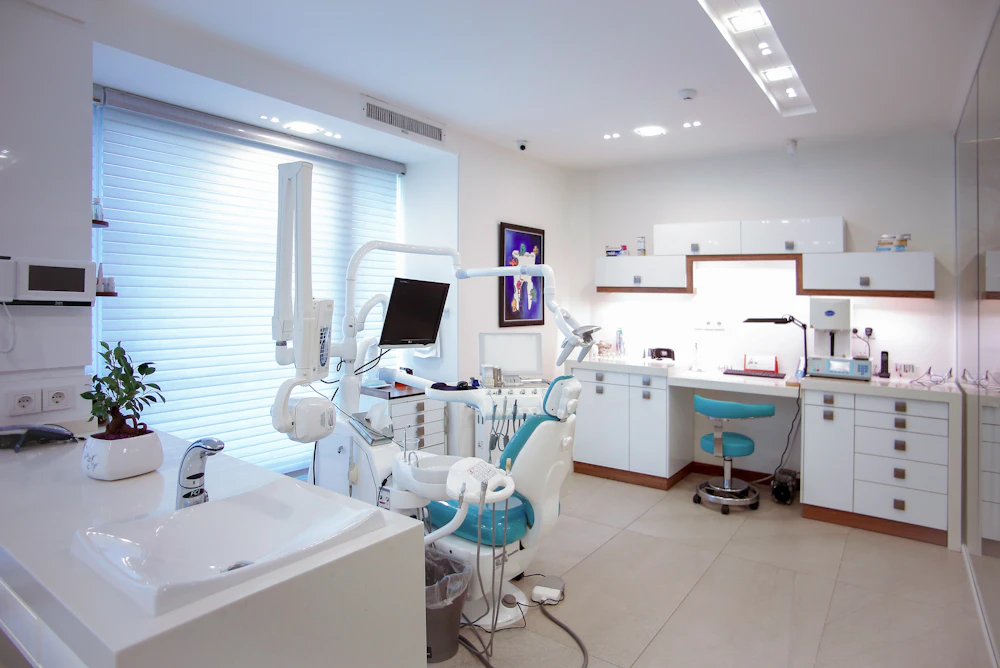
Advanced diagnostics, visual anatomy tracking, and precision micro-endodontics in Lahore.
Diagnosis Before Treatment
We utilize state-of-the-art imaging systems to understand pathology before starting any dental steps.
Preserving Natural Teeth
Our primary treatment methodology focuses on protecting your root frame, saving extraction alternatives.
Patient Education
We walk you through anatomic cross-sections of dental diagnostics so you completely understand therapy steps.
Comprehensive Care
From clinical root clearing to high-strength premium crowns, we cover your recovery from start to finish.
